Exercise Routines
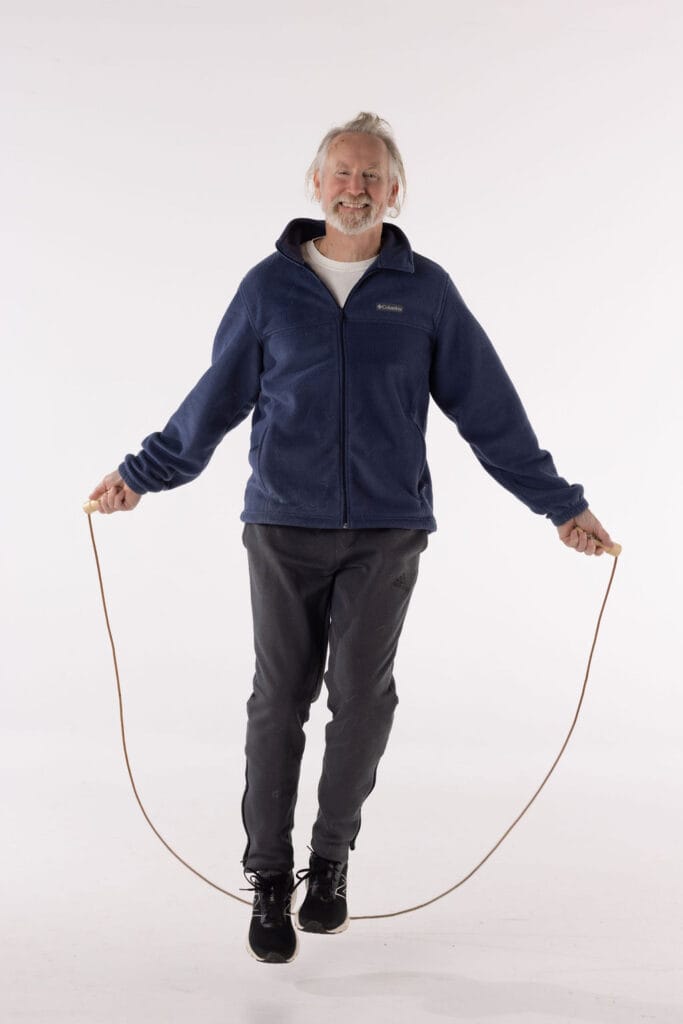
To create a custom exercise routine, each program is tailored to fit your preferences and abilities, while ensuring a well-rounded approach. A comprehensive program will include the three main types of exercise: cardiovascular, strength training, and flexibility. Cardiovascular activities can range from hiking and jogging to biking, using an elliptical, rowing, or swimming, all aimed at improving heart health and endurance. Strength training can incorporate body weight exercises, free weights like dumbbells and barbells, pulley systems, resistance bands, or multi-functional machines to build muscle and strength. Finally, flexibility exercises such as stretching, yoga, or tai chi are essential for improving range of motion and reducing the risk of injury. This balanced approach ensures a program that is both effective and enjoyable.
Nutrition Education
Nutrition education involves a thorough assessment of an individual’s dietary needs using a variety of tools, including evaluations based on height, body type, frame, gender, BMI, and waist measurement. This process includes a general assessment of key nutritional components such as proteins, fats, carbohydrates, sugars, fiber, vitamins, and minerals to ensure a balanced diet. When appropriate and desired by the client, a manageable calorie deficit can be established to support long-term weight loss. Additionally, we can discuss whether supplements are necessary or not, based on your specific nutritional needs and goals. This personalized approach aims to create sustainable and healthy eating habits.
Home Gym Design
Designing a home gym focuses on creating a cost-effective space with equipment that suits the needs of individuals or families and encourages consistent use. A well-planned home gym can include versatile options like free weights, or multi-purpose machines such as universal gym systems, along with therapy bands and stability balls for a variety of strength and flexibility exercises. Cardiovascular equipment, such as ellipticals, treadmills, rowing machines, or even swim spas, can provide effective ways to improve endurance and overall fitness. The key is to choose equipment that aligns with your preferences and fitness goals, ensuring the gym is both practical and enjoyable to use.
Postural & Ergonomic Assessment
Postural and ergonomic assessments focus on evaluating and improving body alignment for better health and injury prevention. This includes assessing general posture and suggesting appropriate corrections through targeted exercises, proper breathing techniques, and increased body awareness. Specific exercise movements are evaluated to ensure correct form, with an emphasis on engaging core muscles for stability and strength. Additionally, ergonomic assessments address posture and body mechanics in daily activities, offering corrective interventions when necessary to reduce the risk of injury and enhance overall comfort. This holistic approach promotes better movement habits both during exercise and in everyday life.